By: Jason Spars

You’re sitting on a goldmine and don’t even realize it.
Every day, you’re analyzing comps, touring properties, and having conversations with sellers about their exit strategies. You have direct access to market intelligence that most investors would pay thousands to obtain. Yet most agents never make the leap from facilitating transactions to building their own wealth through real estate investing.
Here’s the reality: Your license isn’t just a tool for earning commissions: it’s your unfair advantage for building generational wealth. Let’s talk about how to actually use it.
Your Secret Weapons: Advantages Most Investors Don’t Have
Stop thinking like an agent for a second. Start thinking like an investor who happens to have VIP access to the entire game.
MLS Access Is Your Crystal Ball
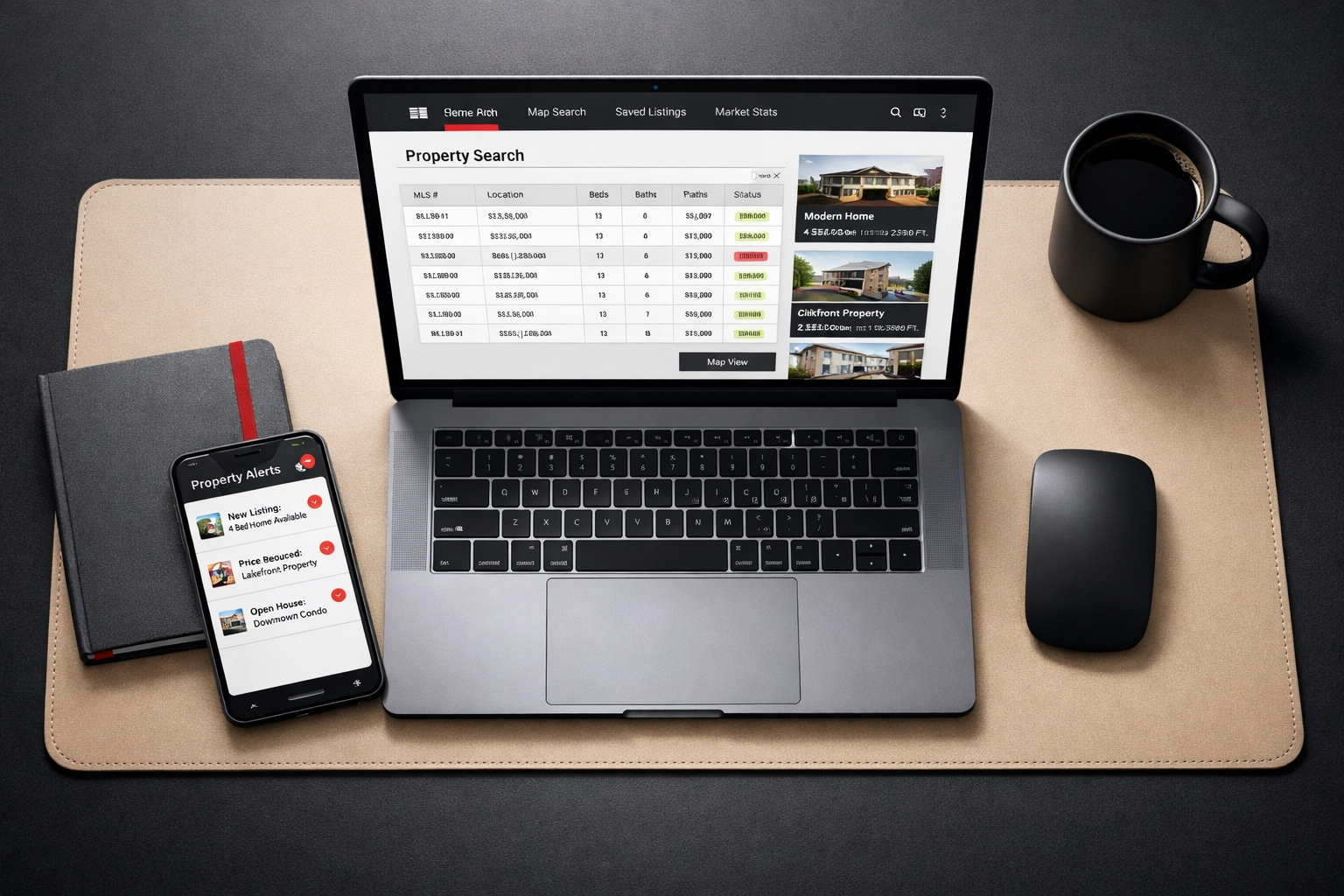
While everyday investors are scrolling Zillow and Realtor.com looking at stale listings, you’re seeing properties the moment they hit the market: or before. You can:
- Set up automated searches for distressed properties with specific criteria (days on market, price reductions, motivated seller keywords)
- Identify emerging neighborhoods by tracking absorption rates and median price trends before the masses catch on
- Spot mispriced listings instantly because you actually know what comparable properties sold for last week
- Access off-market inventory through your MLS that never makes it to public portals
Your Network Is Your Deal Pipeline
You’re not starting from zero like most new investors. You already have relationships with:
- Other agents who know you’re looking and will bring you pocket listings
- Contractors who can give you accurate rehab estimates before you make an offer
- Lenders who understand your income structure and can pre-approve you faster
- Appraisers who can help you understand true value versus asking price
- Title companies who can expedite closings when you find the right deal
This network didn’t cost you anything: it’s a byproduct of doing your job. Use it intentionally.
You Actually Understand the Numbers
Most investors stumble through their first deal not understanding cap rates, net operating income, or how to calculate real returns. You already run CMAs, understand market absorption, and can project appreciation based on historical data.
You’re not learning a new language: you’re just applying existing knowledge differently.
How to Spot Your First Investment Property (Before Everyone Else)
Let’s get tactical. Here’s exactly how to identify deals using your insider position:
Create a Systematic Search Strategy
Don’t wait for deals to fall in your lap. Build a system:
- Set up MLS alerts for properties meeting your investment criteria (price range, location, property type, condition)
- Monitor days on market for listings that have been sitting: motivated sellers emerge after 60+ days
- Track expired and withdrawn listings: these sellers are often more flexible on price
- Watch for estate sales and probate situations: heirs typically want quick closings over top dollar
- Identify properties with value-add opportunities (functionally obsolescent layouts, deferred maintenance, cosmetic issues)
Look for These Red Flags That Signal Opportunity
- Poor quality listing photos (often means the agent doesn’t specialize in that area)
- Properties listed by out-of-town agents (less market knowledge = pricing mistakes)
- Listings with generic descriptions and no storytelling (agent isn’t invested in the sale)
- Homes that keep coming back on market with different agents (serious motivation)

Leverage Your Showing Schedule
You’re already previewing properties for clients. Start evaluating every property through an investor lens. Ask yourself:
- Could this cash flow as a rental at current market rents?
- What’s the ARV (after repair value) if I put $30K into it?
- Is this neighborhood trending up or down based on recent sales?
- Would this make a good Airbnb based on local tourism and regulations?
Take an extra 10 minutes during each showing to walk through this mental checklist. Your first deal might be hiding in plain sight on your client tour schedule.
Choose Your Strategy Before You Start Shopping
Don’t just buy a property because it’s “a good deal.” Define your investment strategy first:
Fix-and-Flip (Best if you want immediate profit and don’t mind active work)
- Buy distressed properties below market value
- Renovate using your contractor network
- Sell for profit within 6-12 months
- Capital needed: $50K-100K+ depending on market
- Best for: Agents who love project management and have renovation experience
Buy-and-Hold Rentals (Best for long-term wealth building and passive income)
- Purchase properties that cash flow from day one
- Hold for appreciation while tenants pay down mortgage
- Build equity and monthly income simultaneously
- Capital needed: 20-25% down payment + reserves
- Best for: Agents building retirement income and generational wealth

Short-Term Rentals (Best for higher returns in tourist markets)
- Buy in high-demand vacation or business travel areas
- Furnish and list on Airbnb/VRBO
- Manage actively or hire property management
- Capital needed: Higher upfront for furnishings and setup
- Best for: Agents in resort or metropolitan markets with strong tourism
Wholesaling (Best if you’re capital-constrained but have deal flow)
- Find deeply discounted properties
- Get them under contract
- Assign contract to another investor for a fee ($5K-20K+)
- Capital needed: Minimal (just earnest money)
- Best for: Agents with strong networks who can source off-market deals
I recommend starting with buy-and-hold for most agents. It’s the most forgiving strategy, builds long-term wealth, and doesn’t require you to quit your day job.
Funding Your First Deal: You Have More Options Than You Think
Here’s where your agent status becomes a massive advantage again.
Traditional Mortgages (The Boring But Effective Route)
Your steady commission income and licensed professional status make you an attractive borrower. Lenders view real estate agents as experienced and authoritative investors, which can mean:
- Better interest rates than non-industry borrowers
- Higher approval amounts based on your market knowledge
- Ability to carry multiple investment loans simultaneously
- Faster processing because underwriters understand your income structure
Hard Money Loans (For Fix-and-Flip Projects)
If you’re buying a distressed property that won’t qualify for conventional financing:
- Borrow based on ARV (after repair value) not current condition
- Get approved in days, not weeks
- Rates are higher (8-12%+) but you’re holding short-term
- Your agent experience makes hard money lenders more confident in your ability to execute
The BRRRR Strategy (My Personal Favorite for Scaling)
Buy, Rehab, Rent, Refinance, Repeat: this is how you scale without running out of capital:
- Buy a distressed property (often with hard money or private lending)
- Renovate to force appreciation
- Rent it out to establish income
- Refinance into a conventional mortgage at the new higher value
- Pull your initial capital back out
- Repeat with the same money
This is how agents build portfolios of 5-10+ properties within 3-5 years.

Private Money and Partnerships
You know successful people. Some of them have capital sitting in savings accounts earning 0.5%. Propose a partnership:
- They provide the down payment and closing costs
- You find the deal, manage the property, and handle everything
- Split profits 50/50 (or whatever terms you negotiate)
- Everyone wins: they get better returns than the stock market, you get into deals without capital
Seller Financing (The Most Underutilized Strategy)
On properties that have been sitting, approach sellers about carrying the note:
- No bank approval needed
- Negotiate terms directly (interest rate, down payment, length)
- Often more flexible than conventional loans
- Works especially well with older sellers who want monthly income
Analyze Before You Buy: The Numbers That Actually Matter
Don’t rely on emotion or gut feeling. Run the numbers on every potential deal.
For Buy-and-Hold Rentals, Calculate:
- Monthly rent (check comparable rentals in the area)
- Monthly expenses (mortgage, taxes, insurance, maintenance reserve, vacancy reserve, property management)
- Cash flow (rent minus expenses: aim for minimum $200-300/month positive cash flow)
- Cash-on-cash return (annual cash flow divided by total cash invested)
Use the 1% Rule as a quick filter: Monthly rent should be at least 1% of purchase price. A $200K property should rent for $2,000/month minimum. If it doesn’t hit this, you’re likely not going to cash flow.
For Fix-and-Flip, Calculate:
- Purchase price + renovation costs + holding costs (6 months of payments, utilities, insurance)
- ARV (after repair value) based on recent comparable sales
- Your profit should be at least 20% of ARV after all costs to make the risk worthwhile
Build Your Investor Network Starting Today
Stop waiting until you’re “ready” to start networking with investors. Start now.
Join Local Investment Groups
- REIA (Real Estate Investors Association) meetings in your area
- BiggerPockets local meetups
- Facebook groups for local real estate investors
Position Yourself as the Agent Who Specializes in Investors
Let other agents know you’re looking for investment properties. Many agents have investor clients looking for someone who actually understands the numbers. You could become their go-to referral for:
- Investor clients relocating to your market
- Out-of-state buyers looking for cash flow properties
- Fix-and-flip investors needing acquisition help
Connect with Private Lenders
These are individuals or small firms providing capital for deals. They’re always looking for agents who can bring them quality opportunities. Build these relationships before you need them.
At Keller Williams Realty Integrity Lakes, we believe no one succeeds alone. If you’re serious about transitioning from agent to investor, connect with us to explore how our network and resources can accelerate your investing journey.
Your Next Steps: Don’t Just Read This: Do Something
Knowledge without action is just entertainment. Here’s your action plan for the next 30 days:
- This week: Set up three MLS alerts for potential investment properties matching your criteria
- Next week: Run the numbers on five properties currently on the market to practice your analysis skills
- Week three: Attend one local investor meetup and collect three contacts
- Week four: Make an offer on your first potential investment property (even if you’re nervous)
You already have the knowledge, the access, and the network. The only thing standing between you and your first investment property is the decision to actually do it.
The question isn’t whether you can afford to invest. The question is whether you can afford not to.
Your future self: the one collecting rental income while sleeping, the one building generational wealth, the one who finally broke free from being trapped on the commission treadmill: is counting on you to take action today.
What’s your first move?
 Lakes Coaching
Leave a comment