By: Jason Spars

Let’s cut through the noise: Buyer consultations aren’t dead: they’ve just grown up.
If you’ve been hearing whispers that buyer consults are outdated or unnecessary in 2026, you’re listening to the wrong agents. The ones crushing it right now? They’ve completely reimagined what a buyer consultation looks like. They’re not wasting time with generic PowerPoint presentations or showing homes to unqualified lookers. They’re gatekeeping their time like it’s gold: because it is.
The market has changed. With inventory improving and mortgage rates hovering around 6%, the game isn’t about who can show the most properties anymore. It’s about who can qualify buyers fastest and build unshakable trust around the buyer broker agreement.
Here’s what top agents figured out: The consultation didn’t die. It evolved into a strategic weapon that filters serious buyers from tire-kickers while positioning you as the only logical choice.
Why the Old Buyer Consultation Model Failed
Think back to 2019. You’d meet a buyer at a coffee shop, walk them through your “about me” slide deck, show them some neighborhood stats, and then jump straight into property tours. Sound familiar?
That model is dead. And it should be.
Here’s why it stopped working:
- Buyers became smarter. They’re showing up to meetings having already researched neighborhoods, pricing trends, and your competition. Your generic presentation puts them to sleep.
- Agents wasted massive amounts of time. You were showing homes to people who couldn’t qualify for a loan or didn’t have cash to close.
- The value proposition was unclear. Buyers didn’t understand why they needed YOU specifically: just someone with MLS access.
- No commitment mechanism existed. You’d show 15 homes, and then they’d ghost you or use your intel to work with their cousin’s friend who “just got licensed.”
The industry changes of the past few years forced a reckoning. Buyers needed to understand agent value, and agents needed to protect their time. The consultation evolved because it had to.
The Payment-First Consultation Framework
Top agents in 2026 have adopted what I call the Payment-First Consultation Model. It’s a 15-minute, non-negotiable conversation that happens before you show a single property.
Here’s the framework:
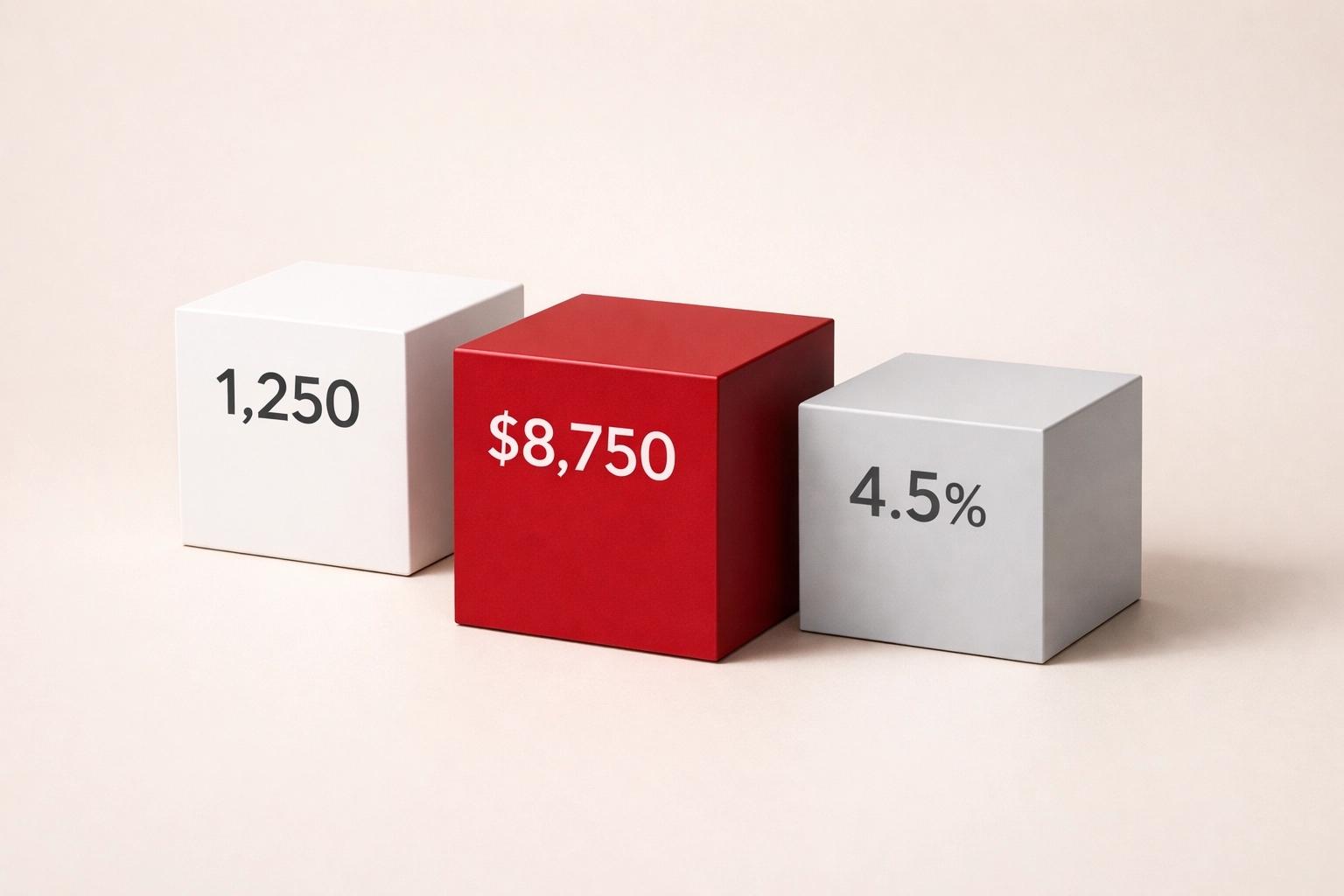
The Three Critical Numbers
Before you schedule any showings, you need to know three things:
- Maximum monthly payment the buyer can afford (including mortgage, taxes, insurance, and HOA fees)
- Total cash available to close (down payment, closing costs, and reserves)
- Timeline for purchase (are they buying in 30 days or 6 months?)
This isn’t about being nosy. This is about being professional. You wouldn’t let a surgeon operate on you without running tests first. Why would you invest hours of your time without knowing if the buyer can actually transact?
How the Conversation Flows
The best agents script this out. Here’s what it sounds like:
“Before we look at any properties, I want to make sure I’m setting you up for success. I need to understand three things: What monthly payment works comfortably for your budget? How much cash do you have available to close? And what’s your ideal timeline to be in your new home?”
Notice what you’re NOT doing: You’re not asking about their credit score, their salary, or their personal finances. You’re asking about their buying capacity: which is exactly what you need to know to do your job well.
Most buyers appreciate this direct approach. It shows you’re serious, professional, and focused on their success: not just racking up showing appointments.

Building Trust in the Modern Buyer Consultation
Here’s what agents get wrong: They think the consultation is about selling themselves. It’s not. It’s about solving a specific problem the buyer has right now.
In 2026, buyers show up to consultations having already researched you online. They’ve read your reviews, checked your social media, and compared your approach to three other agents. Your job isn’t to convince them you’re great: it’s to demonstrate that you understand their unique situation better than anyone else.
The Problems Buyers Actually Care About
Stop leading with your credentials and awards. Start with the pain points:
- “I’m worried I’ll overpay in this market.”
- “I don’t know if I can afford the monthly payments long-term.”
- “I’m afraid my offer won’t be competitive enough.”
- “I’ve heard horror stories about hidden costs.”
Your consultation should directly address these fears with specific solutions. Top agents structure their meetings around problem-solving, not self-promotion.
The Transparency Advantage
Here’s a competitive edge most agents miss: Radical transparency about your pricing and process.
Buyers in 2026 expect clarity. They’ve been reading about commission changes, alternative service models, and fee structures. If you try to dance around compensation discussions, you’ll lose trust instantly.
Instead, lead with transparency:
- Explain exactly how you get paid and what they can expect
- Break down your buyer broker agreement in plain English
- Show them the specific services they’re receiving
- Clarify what happens if they find a home without you
This isn’t about justifying your fee: it’s about demonstrating confidence in your value. When you’re transparent upfront, buyers stop worrying about your motives and start focusing on your expertise.
How Top Agents Win the Agreement (Without Being Pushy)
Let’s talk about the elephant in the room: the buyer broker agreement. In 2026, this isn’t optional. It’s your business protection and your client’s commitment to a professional relationship.
But most agents approach this awkwardly: either apologizing for it or pushing too hard. The best agents position it as a natural next step that benefits everyone.
The Framework That Works
After your payment-first consultation and problem-solving discussion, transition naturally:
“Based on what you’ve shared, here’s how I’m going to help you find the right property within your budget and timeline. Let’s formalize our working relationship so I can start advocating for you with sellers and their agents. This buyer broker agreement protects both of us and ensures we’re aligned throughout your search.”
Then walk through the agreement together: don’t just shove a form across the table. Explain each section and why it matters to them specifically.
Addressing the Pushback
Some buyers will hesitate. They’ll say they want to “keep their options open” or “see how it goes first.”
Here’s your response:
“I completely understand wanting flexibility. Here’s the challenge: Without a signed agreement, I can’t fully represent you in negotiations, I can’t access off-market opportunities through my network, and honestly, I can’t justify investing significant time without knowing we’re committed to working together. Would you hire a lawyer without a retainer? This is the same principle: it protects the professional relationship.”
Don’t be afraid to walk away. If a buyer won’t commit after a thorough consultation where you’ve demonstrated clear value, they’re not your ideal client. Top agents know this. They’d rather spend time with committed buyers than chase lukewarm leads.
The 2026 Buyer Consultation Checklist
Here’s your implementation plan. Use this checklist for every buyer consultation moving forward:
Pre-Consultation (Before You Meet):
- Send a brief questionnaire asking about their property preferences and timeline
- Share a one-page “Working with Me” overview that sets expectations
- Confirm they’re committed to a 30-minute consultation (not just a quick chat)
During the Consultation:
- Start with their goals and concerns (listen more than you talk)
- Get the three critical numbers: payment capacity, cash to close, timeline
- Address their specific pain points with concrete solutions
- Explain your process, transparency, and fee structure
- Review the buyer broker agreement section by section
- Set clear next steps (pre-approval, property search criteria, showing schedule)
Post-Consultation:
- Send a follow-up email summarizing your discussion
- Provide the signed agreement and a copy of your working process
- Schedule your first showing appointment or next check-in
- Add them to your CRM with specific notes about their needs
Red Flags to Watch For:
- Unwillingness to share basic financial capacity information
- Requesting to see properties before committing to representation
- Asking you to work without an agreement “just to test things out”
- Timeline that doesn’t align with their stated urgency
- Reluctance to get pre-approved or provide lender information
If you see multiple red flags, stop and reassess. Your time is your inventory. Don’t give it away to unqualified or uncommitted buyers.
What This Means for Your Business
The agents winning in 2026 treat buyer consultations like business strategy sessions, not sales pitches. They’re confident enough to qualify buyers aggressively because they know their value. They’re transparent enough to build instant trust because they have nothing to hide.
This isn’t about gatekeeping for the sake of being difficult. It’s about respecting your time, protecting your business, and serving serious buyers at the highest level.
If you’re still doing coffee-shop meet-and-greets followed by property tours with unqualified lookers, you’re working harder than necessary. Implement the payment-first consultation model. Master the buyer broker agreement conversation. Filter aggressively.
The buyer consultation isn’t dead: it’s more powerful than ever. The question is: Are you using it to your advantage, or are you still playing by 2019 rules?
Want to level up your buyer consultation process? Connect with us at Keller Williams Realty Integrity Lakes. We’re building a culture where agents master these conversations and close more business with less wasted time. Because no one succeeds alone( especially not in this market.)
 Lakes Coaching
Leave a comment